March CPI Hits 3.3%. Energy Did the Damage.
March CPI surged to 3.3% year over year, the highest since May 2024. Energy prices jumped 10.9% in one month. Here is what the data shows.
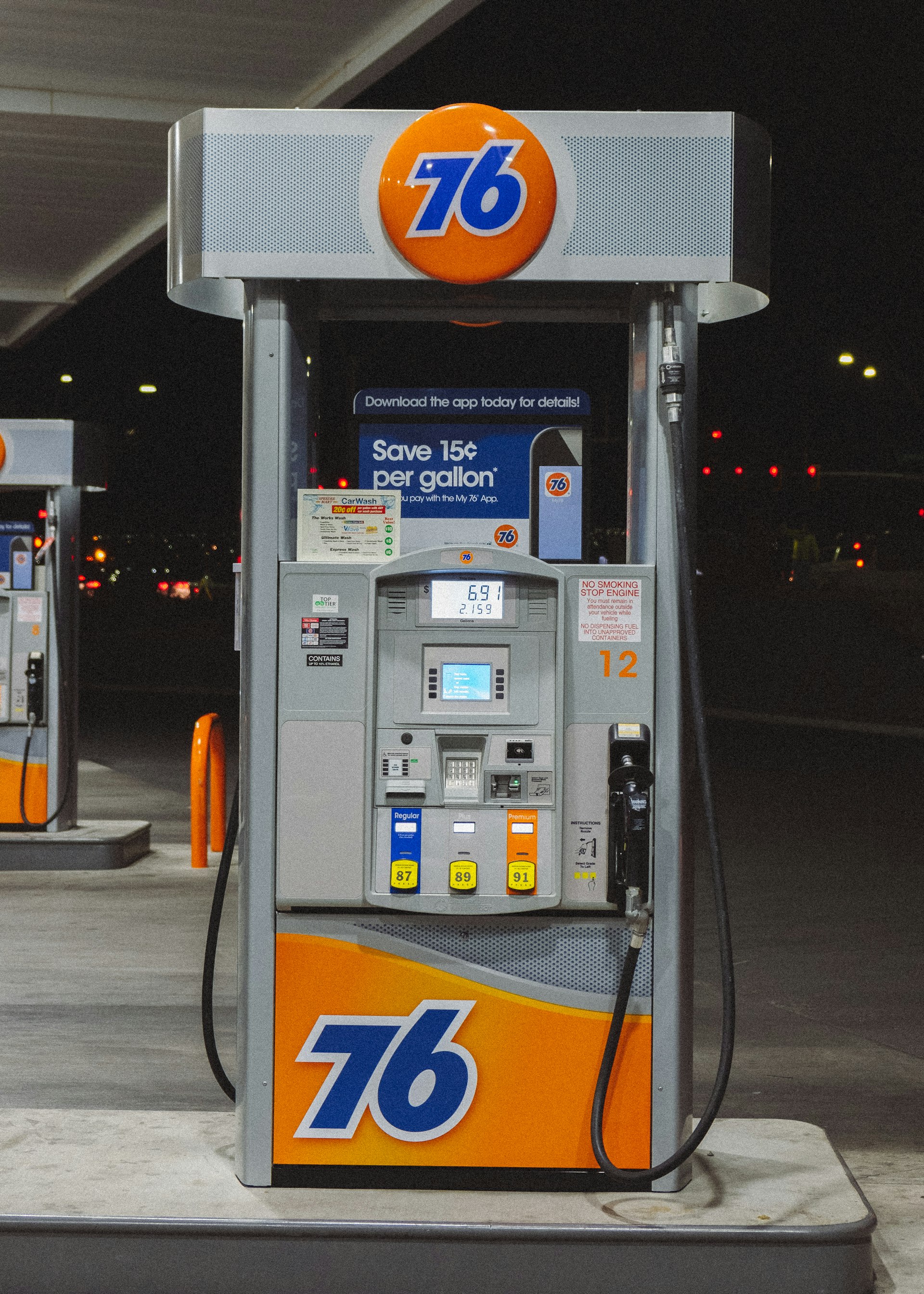
The March CPI report landed this morning and it confirmed what gas station receipts have been telling consumers for weeks. Headline CPI rose 0.9% month over month, the largest single month increase since June 2022. Year over year, inflation hit 3.3%, the highest annual rate since May 2024. The national average gasoline price climbed above $4 per gallon for the first time in more than three years.
This is not a broad based inflation resurgence. It is an energy shock, driven almost entirely by the Iran conflict that sent crude oil prices surging and gasoline above $4 per gallon through most of March. The question now is whether it stays contained to energy or bleeds into everything else.
How Bad Was the Energy Spike?
The numbers are unambiguous. Energy prices surged 10.9% in a single month, driven by the oil price shock from the Iran war escalation. That is the kind of monthly move that distorts the entire headline figure.
| Metric | March 2026 | February 2026 |
|---|---|---|
| Headline CPI (m/m) | +0.9% | +0.2% |
| Headline CPI (y/y) | 3.3% | 2.4% |
| Core CPI (m/m) | +0.3% | +0.2% |
| Core CPI (y/y) | 2.7% | 2.5% |
| Energy (m/m) | +10.9% | +0.6% |
| Shelter | Disinflationary trend continuing | Stable |
February’s 0.2% monthly and 2.4% annual readings now look like the last clean CPI print before the war premium arrived. The gap between February and March tells the whole story: headline inflation nearly quadrupled in one month while core ticked up only modestly, from 2.5% to 2.7% annual.
Did Anyone See This Coming?
Yes. Bank of America had forecast exactly 0.9% monthly with a 10.9% energy jump. The Cleveland Fed Nowcast had projected 3.25% year over year. The FactSet consensus was calling for 0.8% monthly and 3.1% annual.
The actual print came in hotter than consensus on both measures. BofA had the closest call. Our own CPI preview forecast this range correctly, flagging the energy component as the primary risk.
Is Core Inflation Still Under Control?
Barely. Core CPI, which strips out food and energy, came in at 0.3% monthly and 2.7% year over year, up from 0.2% and 2.5% in February. That is the highest core reading in five months, elevated relative to the Fed’s 2% target, and it suggests some early bleed from the energy shock is already appearing.
Shelter costs, the single largest component of CPI, continued their slow disinflationary trend. This is the metric the Fed watches most closely for signs of embedded inflation. So far, the damage is isolated to energy.
The risk is second round effects. When gasoline costs 30% more, transportation costs rise. When transportation costs rise, the price of everything that moves by truck eventually follows. Those effects take two to three months to show up in the data.
What Does This Mean for the Fed?
The Fed held rates at 3.50% to 3.75% at its March FOMC meeting, and today’s data reinforces that decision. The CME FedWatch Tool now shows 98.4% probability that the Fed holds rates unchanged at the April 28 to 29 meeting. Markets have priced out rate cuts for the entire first half of the year. By September, only 15.4% of market participants see a quarter point cut.
Some Fed hawks have gone further, suggesting that a rate hike could be on the table if CPI exceeds 3.5% on a sustained basis. Today’s 3.3% reading is not quite at that threshold, but it is close enough to make the next few prints extremely important.
The complication is that the Fed cannot cut rates to support a slowing economy while inflation is running above 3%. And it probably should not hike into what might be a transitory energy shock. The result is a Fed stuck on hold, watching the data and hoping the geopolitics cooperate.
Does the Ceasefire Change the Outlook?
Significantly. The Iran ceasefire on April 7 and 8 crashed oil prices roughly 16% in two days. If crude stays at these lower levels, the energy component of CPI should moderate sharply in next month’s report.
This is the best case scenario for the Fed: a one month spike driven by a geopolitical event that has already begun to reverse. If April CPI shows energy prices falling and core remaining stable, the transitory argument holds and rate cut discussions can resume.
The worst case: oil bounces back, second round effects push core higher, and the Fed is trapped between inflation and slowing growth. The March jobs report already showed payroll growth decelerating to 178,000. A Fed that cannot cut into a softening labor market because of sticky inflation is the recipe for a policy error.
What Should Investors Watch Next?
Three things matter more than today’s backward looking data:
-
Oil prices over the next two weeks. If crude stabilizes at post ceasefire levels, April CPI should drop meaningfully. If the ceasefire collapses, the energy premium returns immediately.
-
Core CPI in April and May. The second round effects from March energy prices will take time to appear. If core starts rising above 0.3% monthly, the transitory argument weakens.
-
Fed commentary. Watch for any shift in language from “holding steady” to “considering additional tightening.” That would signal the Fed views the inflation spike as something more than temporary.
For a broader look at how inflation erodes your purchasing power over time, see our guide on how inflation erodes savings and purchasing power.
The Bottom Line
March CPI at 3.3% is ugly on the surface but explainable underneath. Energy prices did the damage. Core inflation held steady. The ceasefire has already begun reversing the oil shock that caused the spike.
The next two CPI prints will determine whether this was a one month disruption or the start of a new inflation cycle. For now, the Fed is stuck on hold at 3.50% to 3.75%, and the data needs to cooperate before rate cuts come back into the conversation.
Ferrante Capital LLC is a registered investment adviser. Information presented is for educational purposes only and does not constitute investment advice, a solicitation, or a recommendation to buy or sell any security. All investing involves risk, including the possible loss of principal.
FC and its principals may hold positions in securities or asset classes discussed in this article. This analysis is for educational purposes only and does not constitute a recommendation to buy, sell, or hold any security.
Forward-looking statements reflect Ferrante Capital’s current analysis and involve assumptions and estimates. Actual results may differ materially. Past performance is not indicative of future results.
Please consult a qualified financial professional before making investment decisions.