Gas Is Still $4 After the Ceasefire. Here's Why.
Oil crashed 15% on the ceasefire, but gas is still above $4. Here is why pump prices lag and what it means for inflation.
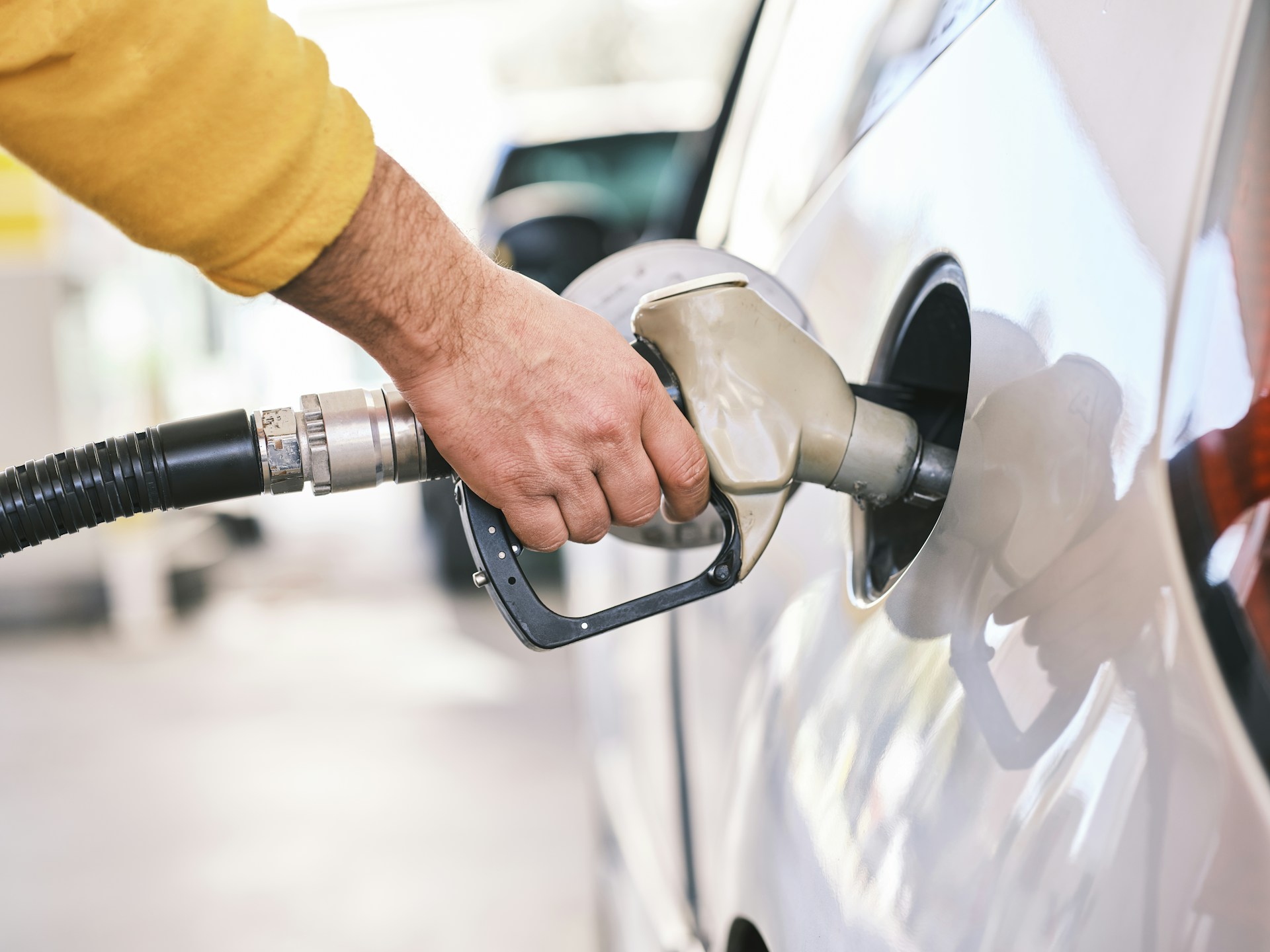
Gas is still above $4 a gallon. If you filled up this week expecting some relief after the April 7 ceasefire, you are not alone in wondering where the savings went. Oil prices did crash. Brent crude dropped roughly 15%, falling from $112 to about $95 per barrel in the days after the deal was announced. But the national average at the pump sits at $4.12 per gallon, up 40% from the $2.94 average before the conflict started.
That disconnect between oil and gasoline is frustrating, but it is not random. There are specific, mechanical reasons why gas prices take much longer to fall than oil prices do. Understanding those reasons can help you plan around what is likely a multi-month adjustment, not an overnight fix.
This week’s March CPI report from the Bureau of Labor Statistics put numbers on the pain. Annual inflation hit 3.3%, up sharply from 2.4% in February. The monthly increase was 0.9%, with energy prices surging 10.9% and gasoline alone jumping 21.2%. That gasoline increase is the largest single-month spike since 1967.
Why Didn’t the Ceasefire Fix Gas Prices?
Oil and gasoline move on different timelines. When crude spikes, gas stations reprice quickly because they are replacing inventory they will need to buy at the new, higher cost. When crude falls, the process reverses more slowly. Stations are still selling fuel they purchased at elevated prices, and they have little incentive to cut margins until competitive pressure forces them to.
This pattern has a name in economics: “rockets and feathers.” Prices rocket up and float down like feathers. Research on prior oil shocks confirms the asymmetry. After the 1990 Gulf War spike and the 2008 oil shock, gasoline prices took weeks to months to fully reflect lower crude costs.
There is also an infrastructure factor. The Strait of Hormuz, through which roughly 20% of global oil transits, is not fully back to normal. Tanker traffic patterns remain unclear, and Iran and Oman are reportedly planning new transit fees. Until shippers are confident that the strait is operating without friction, insurance premiums and routing costs stay elevated. Those costs get passed through to refiners, and then to you.
How Bad Is the Hit to Household Budgets?
The table below traces how the oil shock flows through to your paycheck. Each step in the chain compounds the one before it.
| Stage | What Happened (March 2026) | Source |
|---|---|---|
| Crude oil | Brent peaked near $112/barrel before ceasefire | CNBC |
| Gasoline | National average hit $4.12/gal, up 40% from pre-war | Time |
| Monthly CPI | Rose 0.9%; energy up 10.9%, gas up 21.2% | BLS |
| Annual CPI | 3.3%, up from 2.4% in February | CNBC |
| Wage growth | 0.2% monthly (nominal) | BLS |
| Real earnings | Declined 0.6% (wages minus inflation) | CNN |
The last row is the one that matters most for families. Real earnings fell 0.6% in March. That means the average worker’s paycheck bought less at the end of the month than at the beginning, even if their nominal pay went up. When wages grow at 0.2% and prices grow at 0.9%, the math is straightforward: you are losing ground.
Consumer sentiment reflects that reality. Survey readings have plunged to historic lows, below levels recorded during both the Great Recession and the worst of the Covid lockdowns. People feel squeezed, and the data confirms they are right to.
Is This Broad Inflation, or Just an Energy Shock?
This is a critical distinction, and the March data offers some reassurance. Core CPI, which strips out food and energy, was relatively tame. The headline number is being driven almost entirely by gasoline and related energy costs.
That matters because energy shocks and broad inflation require different responses and resolve on different timescales. An energy shock hits fast, hurts immediately, and (based on historical patterns) tends to moderate within 12 to 18 months as supply adjusts and demand responds to higher prices. Broad inflation is stickier and harder for central banks to address.
The concern is what economists call “pass-through.” Energy is an input cost for nearly everything. When diesel is expensive, shipping is expensive. UPS and FedEx have already announced fuel surcharges. Those surcharges show up in the price of groceries, building materials, and consumer goods, but with a lag of weeks to months. So while core CPI looks manageable today, the energy shock may bleed into broader prices through the spring and summer.
For a deeper look at how the March CPI numbers broke down across categories, see our full analysis of the March 2026 CPI results.
What Does History Tell Us About Recovery?
Oil shocks are not new. The 1973 Arab embargo, the 1990 Gulf War spike, and the 2008 commodity surge all followed similar arcs: prices spiked, consumers adjusted, supply responded, and the shock faded. In most cases, the acute phase resolved within 12 to 18 months.
The ceasefire and crude correction are positive signs. But Hormuz transit remains uncertain, and the resolution timeline likely depends less on oil supply itself and more on whether shipping lanes fully reopen and insurance costs normalize.
For context on how markets reacted to the ceasefire announcement, see our coverage of the oil crash and stocks rally on April 7. And for background on how oil prices escalated during the conflict, see our earlier analysis of the initial surge.
What Can Households Actually Do?
This is not about stock picks or market timing. It is about budgeting through a period when gas is eating a bigger share of every paycheck.
Track what you are actually spending on fuel and energy relative to three months ago. For many families, the $1.18 per gallon increase translates to roughly $50 to $80 more per month in gas costs alone, depending on commute distance and vehicle efficiency. If the energy shock has raised questions about your savings rate, retirement timeline, or investment approach, those are conversations worth having with a qualified advisor sooner rather than later.
Forward-Looking Statement Disclosure: This article contains forward-looking statements regarding energy prices, inflation trends, supply chain pass-through, and the expected duration of the current oil shock. These statements reflect our views as of the publication date and are based on historical patterns, publicly available economic data, and current market conditions. Actual outcomes may differ materially due to geopolitical developments, policy changes, supply disruptions, or other unforeseen factors. Forward-looking statements should not be relied upon as predictions of future events.
Ferrante Capital LLC is a registered investment adviser. Information presented is for educational purposes only and does not constitute investment advice, a solicitation, or a recommendation to buy or sell any security. All investing involves risk, including the possible loss of principal.
FC and its principals may hold positions in securities or asset classes discussed in this article. This analysis is for educational purposes only and does not constitute a recommendation to buy, sell, or hold any security.
Forward-looking statements reflect Ferrante Capital’s current analysis and involve assumptions and estimates. Actual results may differ materially. Past performance is not indicative of future results.
Please consult a qualified financial professional before making investment decisions.