Gary Shilling Calls a 30% Stock Drop 'Almost Inevitable.' What That Forecast Looks Like in Context.
Veteran economist Gary Shilling sees a recession by year-end and a 30% S&P 500 decline. We place his call inside the wider forecast distribution and walk through what a drawdown of that size has historically meant.

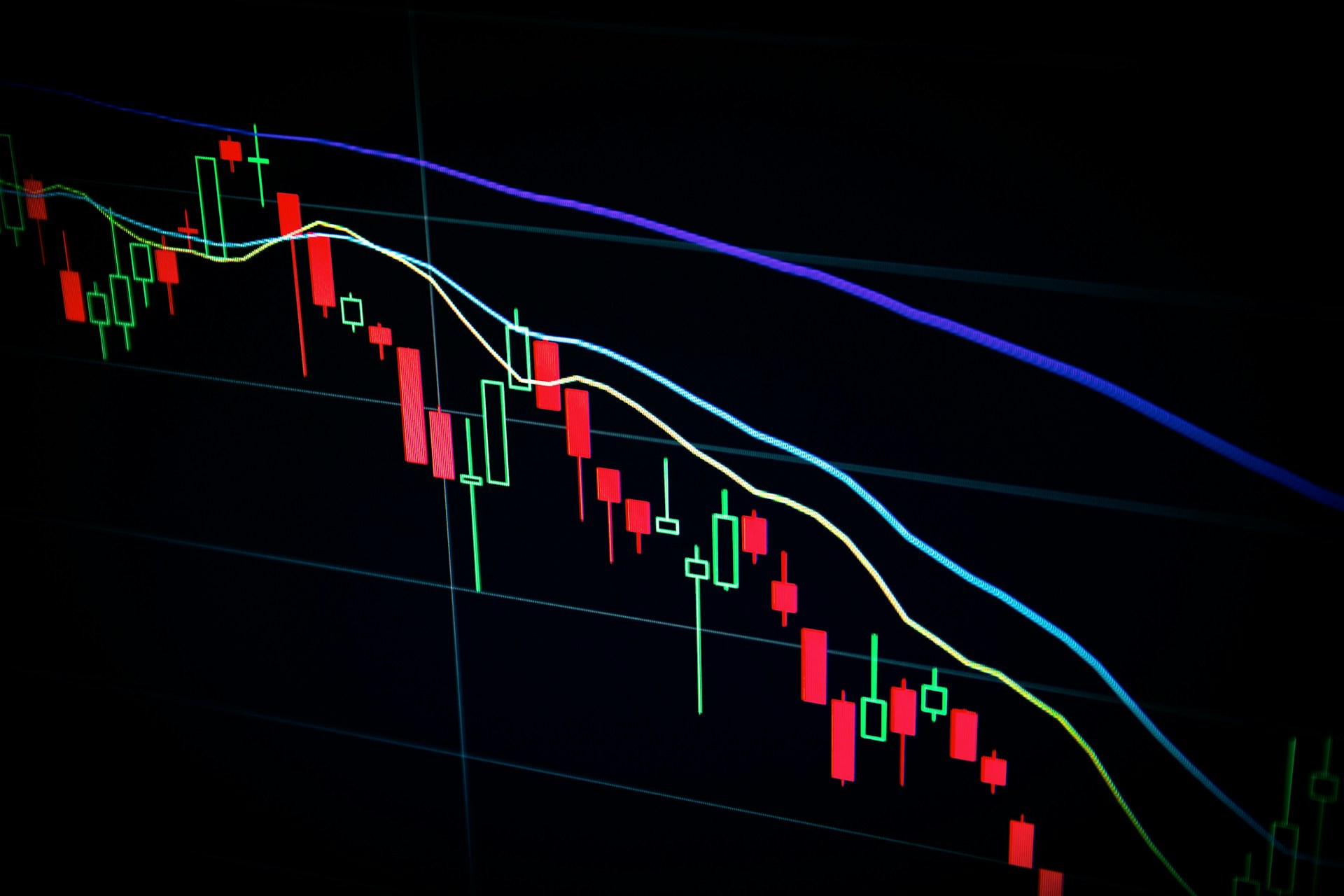
Veteran economist Gary Shilling told Business Insider this week that a U.S. recession is “almost inevitable” by year-end, and that the S&P 500 could fall as much as 30% before 2026 closes. He called a 20% to 30% drawdown “no big deal by historical standards.”
Shilling is not a fringe voice. He was let go from Merrill Lynch for calling the 1969-70 recession, and he later called the 2008 financial crisis. Track records like that get attention, and they should. But a single high-profile bearish forecast is news, not a portfolio plan. The data behind his call deserves a careful look. So does the rest of the forecast distribution it sits inside.
What Shilling Is Actually Pointing At
Three pillars hold up the bear thesis, per TheStreet’s coverage of the interview:
- A frozen housing market. Existing-home turnover has stayed depressed since mortgage rates first repriced in 2022, and the lock-in effect on existing borrowers is real.
- A weakening consumer. Shilling pointed to thin household savings and stalling real wage gains. He described the consumer as being “on very thin ice in terms of income.”
- A capex collapse. He cited broader capital expenditure growth at roughly 3.9% at the end of 2025, against a pandemic-era peak near 24%. Capex is what carries forward growth. A sharp slowdown there tends to flow through to GDP a few quarters later.
None of those data points are made up. The question is whether they compound into the recession Shilling sees, or whether they get absorbed by other parts of an economy that has so far refused to roll over.
Where the Rest of the Forecasters Sit
Shilling’s call sits at the bearish end of a fairly wide distribution. According to the Bankrate Economic Indicator Survey, economists in the most recent reading put the average odds of a U.S. recession over the next twelve months near 34%, modestly higher than the prior quarter’s reading near the high 20s. Some private forecasters run hotter, with selective Moody’s Analytics readings sitting above 40% in recent months. Polymarket traders, putting real money on the question, currently imply roughly a 25% probability of a recession by year-end (i.e., they price in about 75% odds of no recession).
The J.P. Morgan Research recession probability tracker sits in a similar range. Morgan Stanley’s 2026 outlook frames the United States as the developed-market resilience leader for the year. Money summarized the consensus succinctly: most economists currently expect 2026 growth to slow, not reverse.
| Forecaster / Source | Implied 2026 Recession Probability |
|---|---|
| Bankrate economist survey (latest reading) | ~34% |
| Selected private forecasters (e.g., Moody’s Analytics) | 40%+ in recent readings |
| Polymarket (market-implied) | ~25% |
| Gary Shilling | ”Almost inevitable” |
Two things can be true at once. The bear data points Shilling cites are real, and the median forecaster does not yet view those data points as decisive. Reasonable people disagree because the evidence is genuinely mixed.
How a 30% Drawdown Compares to History
Shilling’s “no big deal” framing on a 20% to 30% decline is not as glib as it sounds. Bear markets in U.S. equities, roughly defined as peak-to-trough declines of 20% or more, have arrived every five to seven years on average since World War II. Drawdowns of 30% or larger are less common but happened repeatedly in living memory: 2000-02, 2007-09, and briefly during the COVID rout in March 2020.
Every prior bear in modern U.S. market history has eventually been followed by a full recovery, though past patterns are not guarantees of future results. The path varied. Recovery times have ranged from a few months to several years, and the cost of waiting depended heavily on where the investor stood in life.
That last clause is the operative one for anyone running a real portfolio. A 30% drawdown means very different things to a 32-year-old saver, a 58-year-old preretiree, and a 71-year-old retiree drawing income. We covered that asymmetry in our explainer on sequence-of-returns risk. The math is unkind to whoever has the least time to wait.
The Sentiment Frame
It is worth holding Shilling’s headline next to the contrarian sentiment data we wrote about last month. UMich consumer sentiment hit a record low in April. Bearish forecasts from individual economists are louder than they have been in years. Historically, those moments have not been where bull markets end. They have often been where the most uncomfortable stretches of bull markets happen.
That is not a forecast on our part. It is a reminder that the loudest call is rarely the median call, and the median call is itself often wrong.
What FC Readers Might Reasonably Watch Next
We do not see our job as telling readers what to do based on any single forecast. Gary Shilling’s view is one input. The rest of the distribution is another. In our view, three things are worth tracking in the near term:
- Hard data follow-through. Whether the housing, consumer, and capex weakness Shilling cites is confirmed by upcoming jobs, retail sales, and ISM prints, or whether those soft signals fade.
- Earnings revisions. Q1 2026 has come in mixed. Forward-quarter earnings revisions across the S&P 500 will tell us whether the corporate sector is pricing in a slowdown or shrugging it off.
- Credit spreads. High-yield and investment-grade credit spreads have historically widened before recessions are officially declared. As of this writing, they have not meaningfully widened.
For investors thinking through their own positioning, the basics tend to matter more than any one forecaster: an emergency fund sized to real liquidity needs, a portfolio whose drawdown profile genuinely matches the time horizon, and a sober look at what a bear-case scenario would actually cost. We have argued separately that the traditional 60/40 portfolio is not dead even after 2022’s anomalies, which is relevant context whenever drawdown risk is on the table.
What We Believe
In our view, Shilling’s call is worth respecting and worth contextualizing. The bear evidence is real. So is the bull evidence. So is the wide forecaster distribution. Anyone claiming to know which forecast wins by year-end is selling certainty that does not exist.
The most useful thing a reactive headline like this one can do is prompt a portfolio review on first principles. We will keep watching the data, and we will write again when there is something new in it.
This article is for informational and educational purposes only and does not constitute investment, legal, or tax advice. Forward-looking statements reflect Ferrante Capital’s current analysis and assumptions and are subject to change without notice; actual results may differ materially from any expectations expressed. Past performance and historical patterns are not guarantees of future results. Ferrante Capital is a Registered Investment Adviser; references in this article to broad equity indices, fixed-income markets, and economic data are general in nature and not personalized recommendations. Ferrante Capital and its principals may from time to time hold positions in broad U.S. equity index funds and Treasury instruments referenced indirectly in this analysis, which may create a potential conflict of interest. Please consult a qualified financial professional before making investment decisions.